
Invisalign in Abu Dhabi – Costs, Timeline, and What to Expect
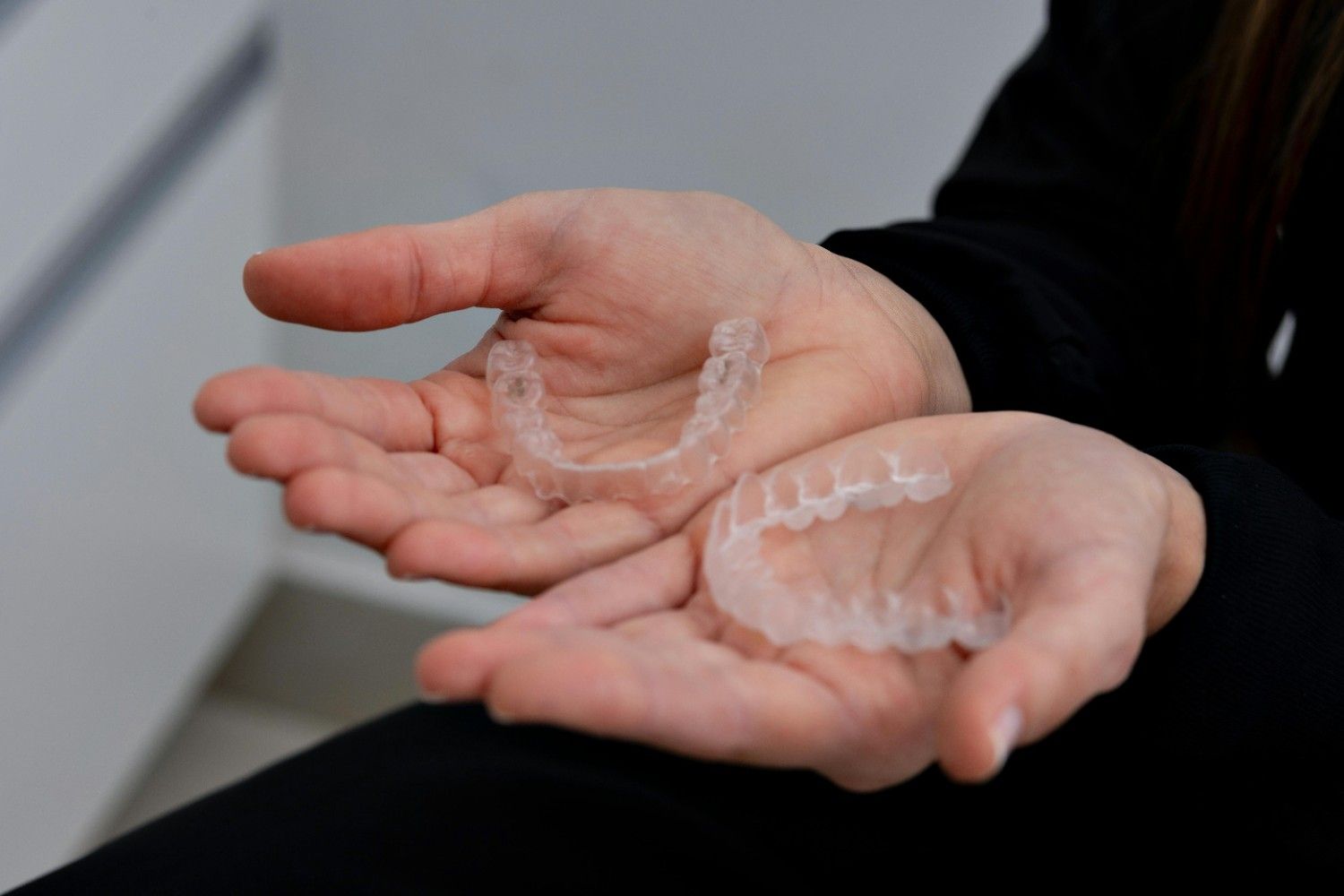
Invisalign is one of the most popular ways to straighten teeth because it’s discreet, removable, and planned digitally. If you’re considering Invisalign in Abu Dhabi, the key is understanding whether you’re a good candidate and what the process looks like from consultation to retention.
What is Invisalign?
Invisalign is a clear aligner system designed to gradually move your teeth into the desired position using a series of custom-made aligners. Each set is worn for a short period, usually one to two weeks, before switching to the next.
Unlike traditional braces, Invisalign is nearly invisible and removable, making it easier to eat, clean your teeth, and maintain your daily routine.
Benefits of Invisalign
Invisalign offers several advantages over traditional braces, which is why it has become a preferred choice for many patients:
- Discreet and Nearly Invisible – The clear aligners are barely noticeable, making them ideal for adults and teens who want to straighten their teeth without drawing attention.
- Removable for Eating and Cleaning – Unlike fixed braces, you can remove Invisalign aligners when eating or drinking, which allows you to maintain normal eating habits. It also makes brushing and flossing easier, reducing the risk of cavities and gum issues.
- Comfortable and Gentle – The smooth plastic aligners eliminate sharp brackets and wires, which can irritate with traditional braces. Many patients find Invisalign more comfortable throughout treatment.
- Fewer Orthodontic Visits – Invisalign typically requires fewer in-office adjustments, saving you time compared to traditional braces.
Overall, Invisalign combines aesthetic appeal, comfort, and convenience, making it an attractive choice for people who want effective orthodontic treatment without the appearance of braces.
Who is Invisalign suitable for?
Invisalign is suitable for a wide range of orthodontic concerns, including:
- Mild to moderate crowding
- Gaps between teeth
- Overbite, underbite, or crossbite (in certain cases)
- Relapse after previous orthodontic treatment
However, complex bite issues or severe crowding may require traditional braces or a combined orthodontic approach. A proper orthodontic assessment is the best way to confirm suitability.
The Invisalign Process: Step-by-Step
Understanding the process helps you set realistic expectations. Here’s a breakdown:
1. Consultation and Assessment
Your dentist or orthodontist will:
- Examine your teeth and bite
- Discuss your smile goals
- Review lifestyle factors, such as your ability to wear aligners consistently
This is also the time to ask questions about costs, timelines, and what outcomes are realistic.
2. Records and Digital Planning
- 3D scans or impressions of your teeth are taken
- A digital treatment plan is created, showing each stage of tooth movement
- You can review the projected results and discuss refinements if needed
3. Wearing Aligners
- Aligners must be worn 20–22 hours per day
- Each set is usually worn for 1–2 weeks before moving to the next
- Consistent wear is critical for treatment success
4. Review Appointments
- Regular check-ins (every 6–8 weeks) ensure your teeth are moving according to plan
- Your dentist may make minor adjustments if necessary
5. Refinements (If Needed)
- Some cases require additional aligners to perfect the final result
- This is common and usually included in the treatment plan
6. Retention
- After completing Invisalign, retainers help maintain your new smile
- Retention is a lifelong commitment to prevent teeth from shifting
Preparing for Invisalign Treatment

Proper preparation helps ensure smooth and effective treatment. Here’s what to expect before starting Invisalign:
- Oral Health Check
Before getting aligners, your dentist will examine your teeth and gums. Any cavities, gum inflammation, or other dental issues must be addressed first to avoid complications during treatment.
- Cleaning and Scaling
Many patients benefit from a professional teeth cleaning to ensure their teeth are free from plaque and tartar before starting aligner treatment.
- Digital Scans and Impressions
Accurate 3D scans or dental impressions are taken to create your customised aligners and a digital treatment plan. This allows your dentist to predict tooth movement and expected outcomes.
- Lifestyle Discussion
Your dentist will discuss your daily habits and routines, such as how often you can commit to wearing aligners. Compliance is critical for effective treatment.
- Setting Realistic Expectations
A clear understanding of treatment duration, potential refinements, and retention requirements will help you stay committed and achieve the best results.
What affects the Invisalign cost in Abu Dhabi?
Costs vary because every case is different. Common factors include:
- Complexity of tooth movement
- Treatment duration
- Whether refinements are required
- The type of aligner plan recommended
During your consultation, ask for a detailed breakdown of costs, including scans, follow-ups, refinements, and retainers.
How Long Does Invisalign take?
Treatment time depends on your case:
- Mild adjustments: 6–12 months
- Moderate adjustments: 12–18 months
- Complex cases: 18–24 months
Your orthodontist will provide a personalized timeline after assessment.
Possible Side Effects and How to Manage Them
While Invisalign is generally safe and comfortable, some patients experience minor side effects during treatment. Knowing what to expect and how to manage them can improve your experience:
- Mild Pressure or Soreness
Feeling pressure when switching to a new aligner is normal. This is the teeth adjusting to the new position. Over-the-counter pain relievers and soft foods can help during the first couple of days.
- Gum or Cheek Sensitivity
Occasionally, aligners may rub against gums or cheeks. Using orthodontic wax or trimming rough edges with guidance from your dentist can reduce irritation.
- Temporary Speech Changes
Some patients notice a slight lisp when they first start wearing aligners. This usually resolves within a few days as your tongue adapts.
- Excess Saliva or Dry Mouth
Initially, aligners may stimulate saliva production. Drinking plenty of water and removing aligners for meals can help.
- Allergic Reactions (Rare)
Invisalign aligners are made from medical-grade plastic, and allergic reactions are extremely uncommon. If you experience unusual discomfort, consult your dentist immediately.
Additional Tips for Invisalign Success
- Follow your dentist’s instructions closely – consistent wear is key
- Maintain excellent oral hygiene – brush after meals before reinserting aligners
- Use the Invisalign app or tracker to monitor progress
- Keep aligners in a safe case when not in use
- Report any issues like discomfort or broken aligners immediately
How to Choose the Right Invisalign Provider in Abu Dhabi
When comparing clinics, look for:
- A clear assessment process and treatment plan
- Transparent explanation of what’s realistic
- A retention plan after treatment
- Good communication and follow-up structure
If you’re considering Invisalign in Abu Dhabi, book a consultation with Perfect Smile Dental Centre and get a clear plan for your next step.
Frequently Asked Questions
Is Invisalign painful?
You may feel pressure when switching aligners, which is normal. It should be manageable and typically improves as you adjust.
Can I eat with Invisalign?
Aligners are usually removed for meals. This helps protect the aligners and supports better oral hygiene.
Will I need refinements?
Some patients need refinements to fine-tune results. Your dentist should explain how this is handled in your plan.
Do I need retainers after Invisalign?
Yes. Retainers help maintain results after treatment.