
Dry Mouth Causes and What Actually Helps in Abu Dhabi

Dry mouth, known clinically as xerostomia, is a reduction in saliva flow that leaves the mouth feeling parched, sticky, or uncomfortable for hours at a time. It affects far more than comfort, since saliva plays a direct role in protecting your teeth and gums, and a persistent dry mouth can quietly raise your risk of cavities and gum problems over time.
At Perfect Smile Dental Centre, dry mouth is one of the more common complaints patients raise during a routine visit, often without realising how much it can affect their long-term oral health.
This guide looks at what commonly causes dry mouth, why it matters for your teeth and gums specifically, and what genuinely helps, from simple daily habits to knowing when it is time to see a dentist. None of this replaces an in-person assessment, but it should help you understand what is happening and what your options are.
What Causes Dry Mouth?
Dry mouth has a wide range of possible triggers, and working out the right one matters because the fix looks different in each case. Medication side effects are among the most common causes in adults, but everyday habits and certain health conditions can reduce saliva flow just as easily. The sections below cover the causes seen most often in practice.
Medications and Medical Conditions
Hundreds of common medications list dry mouth as a side effect, including some antihistamines, blood pressure treatments, antidepressants, and decongestants. Certain medical conditions, such as diabetes, Sjogren’s syndrome, and some autoimmune disorders, can also reduce how much saliva the glands produce. Radiotherapy to the head or neck is another recognised cause, though it is far less common than medication-related dry mouth.
If dry mouth started around the same time as a new prescription, it is worth mentioning to the doctor who prescribed it rather than assuming nothing can be done. In many cases, a dosage adjustment or an alternative medication resolves the problem without affecting the underlying treatment.
Lifestyle and Environmental Factors
Breathing through the mouth, particularly overnight, dries out the tissues faster than nasal breathing does and is one of the more overlooked causes of morning dry mouth. Simple dehydration, whether from not drinking enough water, high caffeine intake, or alcohol, reduces saliva volume as well. Dry or air-conditioned environments, common across Abu Dhabi for much of the year, can add to the effect.
Smoking and vaping both interfere with normal saliva production and tend to make an existing dry mouth noticeably worse. Stress and anxiety have also been linked to reduced saliva flow in some people, though the mechanism is less well understood than with medication or dehydration.
Why Dry Mouth Matters for Your Oral Health
Saliva does more work than most people realise. It washes away food particles, neutralises the acids that oral bacteria produce after eating, and carries minerals that help repair early tooth damage before it becomes a cavity. When saliva flow drops, that protection drops with it.
This is why people with ongoing dry mouth tend to see more cavities, more plaque buildup along the gumline, and a higher risk of gum irritation over time. Where gum disease has already taken hold, our periodontist can assess how far it has progressed and recommend the right level of care for your case. Catching these changes early, before they progress, generally makes them easier to manage.
What Actually Helps With Dry Mouth
Most cases of dry mouth respond well to a combination of daily habits and, where needed, professional guidance on the underlying cause. The following steps are a reasonable starting point for most people, though your dentist can tailor this list once the cause of your dry mouth is clear.
- Drink water regularly through the day, in small amounts, rather than a few large glasses
- Chew sugar-free gum or suck on sugar-free lozenges to encourage saliva flow between meals
- Ask your dentist about an alcohol free saliva substitute or oral moisturising gel
- Avoid alcohol based mouthwash, since alcohol can dry the oral tissues further
- Limit caffeine and alcohol intake, both of which reduce saliva production
- Run a humidifier in the bedroom overnight if mouth breathing is a factor for you
Dry Mouth at Night
Dry mouth is often worse overnight, when saliva production naturally slows and mouth breathing has more time to take effect uninterrupted. Keeping a glass of water within reach, running a humidifier, and addressing nasal congestion before bed can all reduce how dry your mouth feels by morning.
If you regularly wake with a painfully dry mouth, a sore throat, or a bad taste that was not there before, mention it at your next dental visit rather than treating it as a normal part of sleep. It may point to a treatable cause such as mouth breathing from nasal congestion, a medication timing issue, or sleep-related breathing changes worth discussing with your doctor.
When to See a Dentist About Dry Mouth
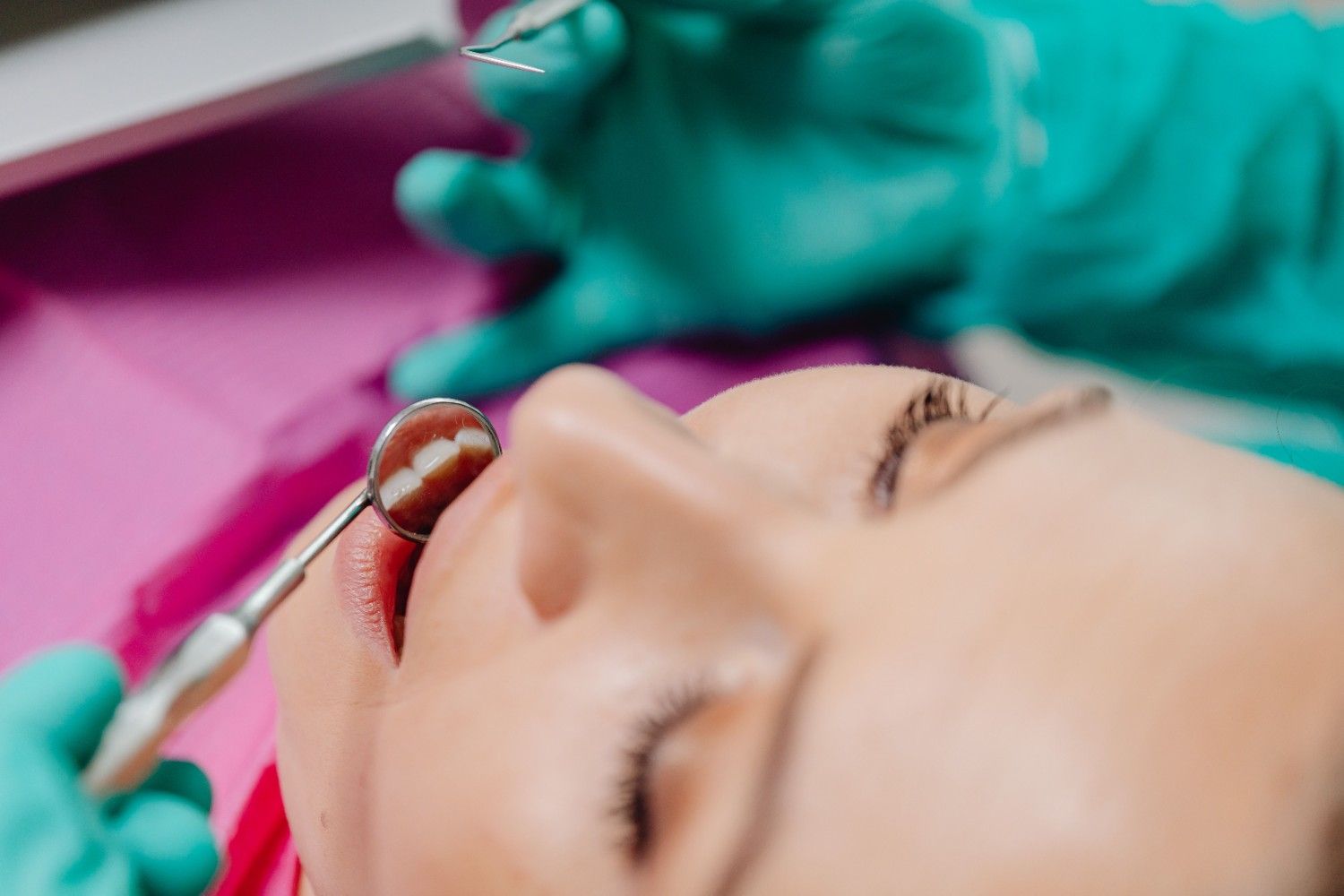
Occasional dry mouth, for example after a long flight or a poor night’s sleep, is not usually something to worry about on its own. Persistent dry mouth is different, particularly if it lasts for weeks, makes eating or speaking uncomfortable, or comes with more frequent cavities than you are used to.
A routine dental check-up gives your dentist the chance to look for early signs of decay or gum irritation linked to reduced saliva, and to talk through which of the remedies above are likely to help most in your case. It also gives you a chance to review any medications that might be contributing, alongside your regular medical care.
Home care and professional check-ups work best together rather than as alternatives to one another. The habits covered earlier, such as staying hydrated and avoiding alcohol based mouthwash, reduce day-to-day discomfort, while a dental visit catches the changes that home care alone cannot, such as early decay along a tooth’s root surface or gum tissue that has started to pull back. Neither replaces the other, and relying on just one usually means the underlying cause takes longer to identify.
At Perfect Smile Dental Centre, dry mouth is checked as part of every routine visit, not treated as a separate problem to be managed elsewhere. If dry mouth has been bothering you for more than a few weeks, book a consultation, and we can look at what is behind it together.
Frequently Asked Questions
Can dehydration alone cause dry mouth?
Yes, dehydration alone can cause dry mouth, since saliva production depends on having enough fluid in the body to produce it. Increasing water intake through the day, rather than in a few large amounts, often improves mild cases within a short period.
Is dry mouth at night different from dry mouth during the day?
Dry mouth at night is usually caused by the same underlying factors as daytime dry mouth, but it is often worse because saliva production naturally slows during sleep and mouth breathing goes uninterrupted for hours. Running a humidifier and treating nasal congestion before bed are two of the most effective ways to reduce it.
Can dry mouth increase my risk of cavities?
Yes, dry mouth can increase your risk of cavities, because saliva normally washes away food particles and neutralises the acids that cause tooth decay. Without enough saliva, that protection weakens, which is why people with ongoing dry mouth tend to need more frequent dental check-ups.