
Tooth Sensitivity: Common Causes and What Actually Helps

Tooth sensitivity is a sharp, short-lived pain that appears when your teeth are exposed to cold, heat, sweetness, or even a rush of cold air, and it happens when the protective layers covering the tooth have worn thin or receded.
It is one of the most common complaints we see at Perfect Smile Dental Centre, and in most cases it has a clear, identifiable cause rather than being a mystery.
This guide covers what typically causes sensitive teeth, the difference between short-term and persistent sensitivity, and what actually helps, from home care to a dental visit.
What Causes Tooth Sensitivity?
Sensitivity develops when the dentin layer beneath the enamel becomes exposed, since dentin contains tiny channels that lead directly to the nerve inside the tooth. Anything that wears down enamel or exposes the tooth root can trigger this, and several common causes tend to show up together rather than alone.
Enamel Wear and Gum Recession
Enamel wears down gradually from brushing too hard, grinding your teeth, or years of acidic food and drink, and once it thins enough, the dentin underneath becomes exposed. Gum recession has a similar effect from a different direction, exposing the tooth root itself, which has no enamel covering and is naturally more sensitive.
Teeth Grinding and Bite Pressure
Grinding or clenching, often called bruxism, wears down enamel faster than normal chewing ever would, and it frequently happens overnight without the person realising it is happening. Over months or years, this can flatten the biting edges of the teeth and expose dentin along the gumline, which is why people who grind often notice sensitivity across several teeth rather than just one. A dentist can usually spot the wear pattern that grinding leaves behind during a routine examination, even before the person has connected it to their sensitivity.
Whitening, Cracked Teeth, and Recent Dental Work
Teeth whitening is a well-known trigger for temporary sensitivity, since the whitening agent can pass through the enamel and irritate the nerve for a short period after treatment. A cracked tooth or a recent filling, crown, or other restoration can also cause sensitivity while the tooth settles, or on an ongoing basis if the crack extends deeper than expected.
Sensitivity limited to a single tooth is worth paying particular attention to, since it points away from general wear and toward something localised such as a crack, a failing filling, or the early stages of decay. Sensitivity spread across many teeth, by contrast, more often points to a broader cause such as enamel erosion, grinding, or gum recession affecting the whole mouth.
Short-Term Sensitivity Versus a Persistent Problem
Short-term sensitivity after a professional cleaning or a whitening treatment usually settles within a few days as the tooth surface recovers, and it does not necessarily mean anything is wrong. Persistent sensitivity is different: if a tooth reacts sharply to cold, heat, or sweetness on an ongoing basis, or if the pain lingers well after the trigger is gone, that pattern is worth having checked rather than managed with toothpaste alone.
The distinction matters because the right response is different in each case. A few days of mild sensitivity after a cleaning is expected, but sensitivity that persists for weeks, or that gets worse rather than better, often points to a cause that needs a dentist’s assessment rather than more time.
What Actually Helps With Sensitive Teeth
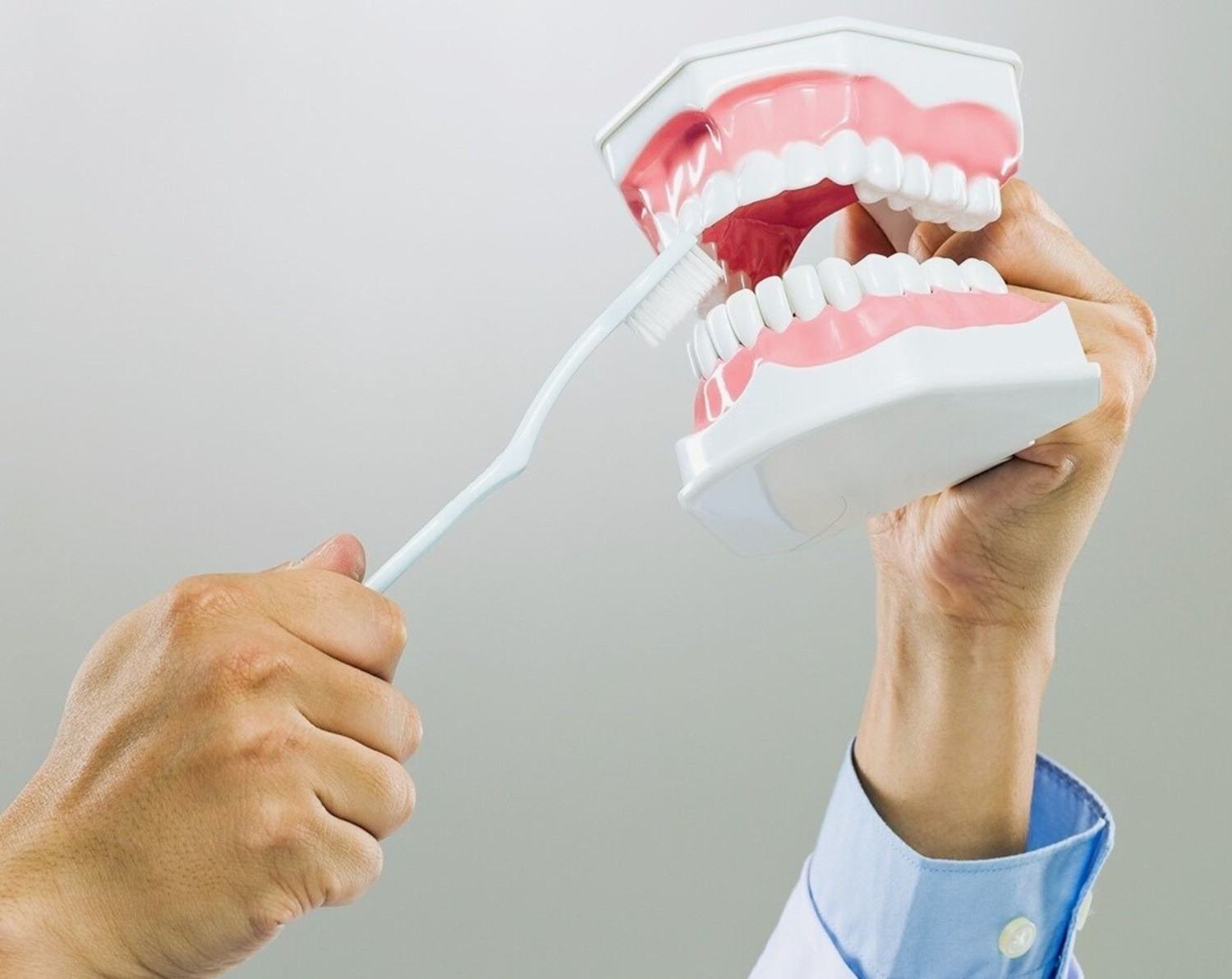
Most mild to moderate sensitivity responds well to a combination of the right toothpaste, a gentler brushing routine, and time. The list below covers the most effective home measures, though a dentist can identify the exact cause and recommend a more targeted option where needed.
- Switch to a toothpaste formulated for sensitive teeth and use it consistently, since the effect builds over several weeks
- Use a soft-bristled toothbrush and a gentle, low-pressure brushing technique
- Avoid brushing immediately after acidic food or drink, when enamel is temporarily softer
- Limit acidic foods and drinks such as citrus, soda, and wine, which gradually wear enamel
- Ask your dentist about a fluoride varnish or in-office desensitising treatment for more persistent cases
- Wear a night guard if grinding is a contributing factor, since grinding accelerates enamel wear
What a Dentist Can Do That Home Care Cannot
Desensitising toothpaste works by gradually blocking the channels in exposed dentin, but it does not address a crack, a receding gum line, or decay that is contributing to the problem. A dentist can identify the specific cause through an examination, which might reveal something as straightforward as a spot that needs a small filling or as simple as a brushing habit that needs adjusting.
An examination for sensitivity generally includes a visual check for cracks and wear patterns, a look at the gumline for recession, and a review of which specific teeth or areas react and to what trigger. That detail matters, since sensitivity to cold alone points somewhere different than sensitivity to biting pressure or sweetness, and treating the wrong cause rarely resolves the discomfort for long.
A professional cleaning gives your dentist the chance to check for the early signs of gum recession or enamel wear before they progress, alongside removing the plaque buildup that can make sensitive areas worse. If sensitivity has been ongoing for more than a few weeks, it is worth having it looked at rather than waiting for it to resolve on its own.
Keeping to a regular cleaning schedule also makes it easier to track whether sensitivity is getting better or worse over time, since your dentist has a baseline to compare against at each visit. This is particularly useful for grinding-related wear and early gum recession, both of which progress slowly enough that they can be easy to miss without that comparison.
If cold drinks, brushing, or sweet food have started catching you off guard, it is worth having it looked at rather than adjusting your whole diet around it. Book a consultation, and we can work out what is behind your sensitivity together.
Frequently Asked Questions
Why do my teeth hurt when I drink something cold?
Your teeth hurt with cold drinks because exposed dentin contains tiny channels that connect directly to the nerve inside the tooth, and cold temperature triggers a sharp, short-lived signal through them. This reaction is a classic sign of sensitivity rather than a cavity, though a dentist can confirm which is causing it.
Is tooth sensitivity after whitening normal?
Yes, mild sensitivity after teeth whitening is normal and usually settles within a few days as the tooth surface recovers. If sensitivity is severe or lasts longer than a week after treatment, it is worth mentioning to your dentist.
Can toothpaste alone fix sensitive teeth?
Toothpaste alone can improve mild sensitivity, but it works gradually and does not address an underlying cause such as a crack, decay, or significant gum recession. Persistent or worsening sensitivity generally needs a dental examination rather than a change of toothpaste alone.