
Retainers After Braces and After Invisalign: How Long You Need Them and What Happens If You Stop
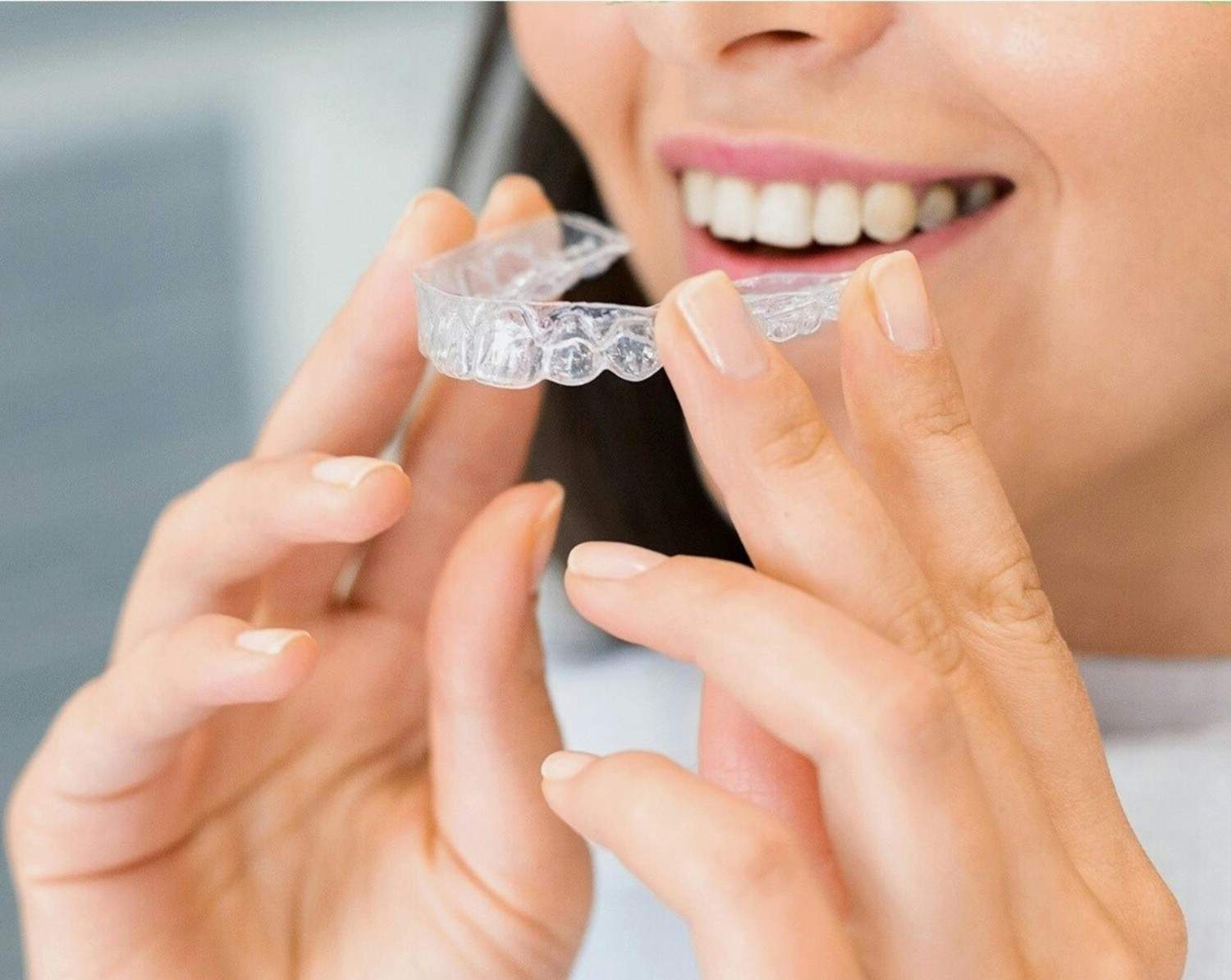
Retainer wear after braces or Invisalign is the phase that holds your teeth in the corrected position while the bone and gum fibres around them settle. It is easy to treat it as an afterthought once the braces come off or the last aligner tray is finished, but the position your teeth end treatment in is not the position they will stay in without support.
This guide covers how retention actually works, the difference between fixed and removable retainers including Vivera, realistic wear schedules, how long retention needs to continue, what happens if you stop, and how to look after a retainer day to day.
Why Teeth Move Back After Braces or Invisalign
Teeth are held in the jaw by a network of ligament fibres and surrounding bone, and both take time to remodel around a new tooth position. Immediately after braces or Invisalign, those fibres are still stretched into their old alignment and are actively pulling teeth back toward where they started. This process is called relapse, and it is a normal biological response rather than a sign that treatment failed.
The pull is strongest in the first few months after active treatment ends, which is why retainer wear is most demanding at the very start. Front teeth, particularly the lower ones, tend to drift first because they sit in a narrower band of bone and are constantly loaded by biting and speech. Left unsupported, this drift can undo months of careful tooth movement in a matter of weeks.
Fixed and Removable Retainers, Explained
There are two broad types of retainer, and many patients wear one of each, a fixed retainer on the lower front teeth and a removable retainer covering the rest of the arch. Which combination suits you depends on how your teeth were positioned before treatment and which teeth are most likely to drift.
Fixed Retainers
A fixed retainer is a thin wire bonded to the back surface of the front teeth, usually the lower six, and left in place permanently unless a dentist removes it. Because it cannot be taken out, it does its job continuously without relying on the patient to remember to wear it, which is why it is common on the lower arch where relapse tends to be most visible.
Removable Retainers, Including Vivera
Removable retainers are worn over the teeth and taken out to eat, drink anything other than water, and brush. Vivera retainers are a clear, custom-fitted removable retainer made by Align Technology, the same manufacturer as Invisalign, from a thicker and more durable plastic than a standard clear retainer. Patients who finished treatment with Invisalign are often moved directly onto Vivera retainers because the fitting process uses the same digital scan technology.
A traditional Hawley retainer, with a plastic base and a visible wire across the front teeth, is the other common removable option. It is more adjustable than a clear retainer but also more visible when worn, and it is used less often after treatment with fixed braces today than it once was.
Realistic Retainer Wear Schedules
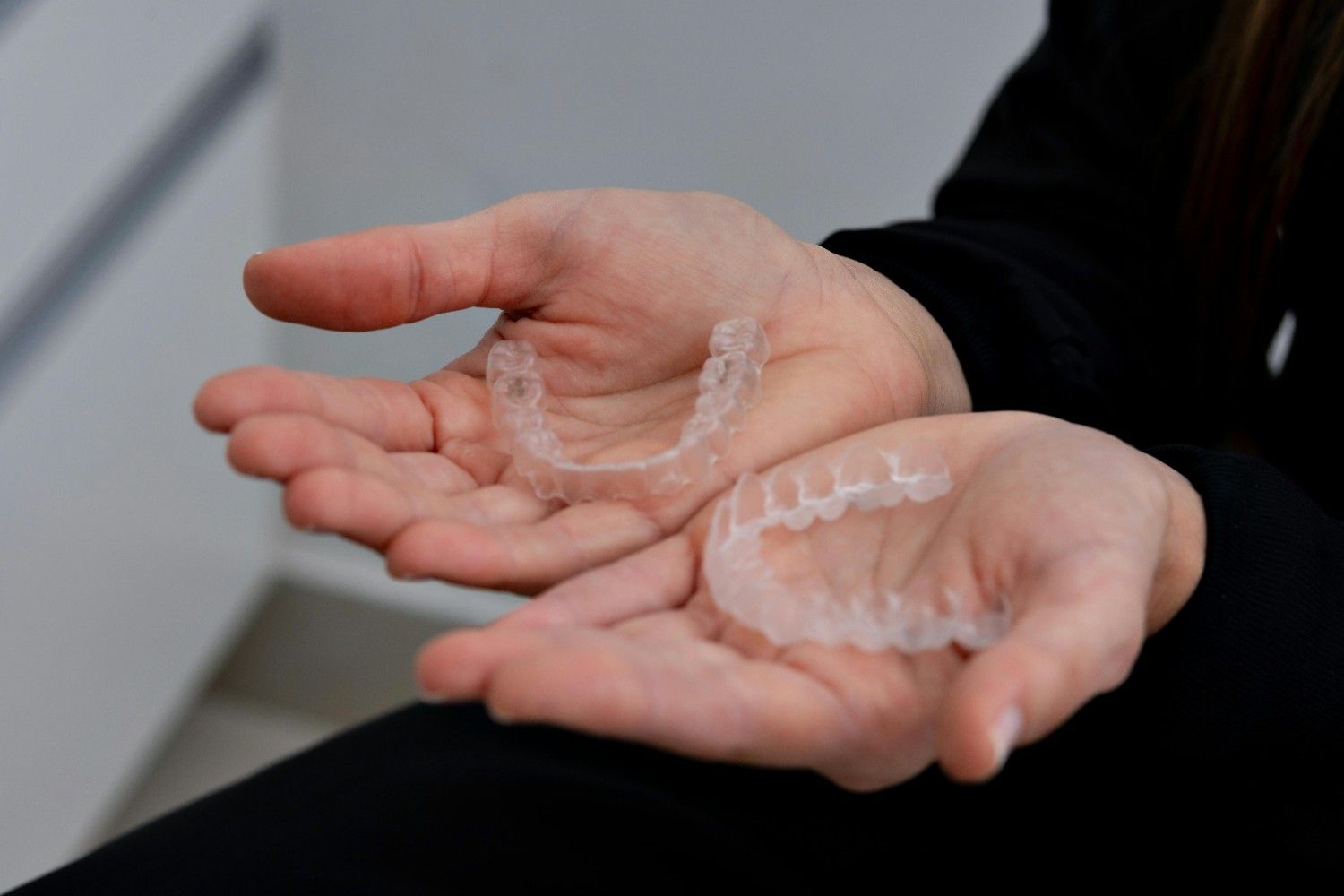
Wear schedules are not one size fits all, and your orthodontist will set yours based on how your teeth were positioned before treatment and how they responded. The pattern below is a general guide.
- Full-time wear, roughly the first three to six months, removing the retainer only to eat, drink, and clean your teeth.
- A gradual step down to nights only, typically starting around six months after active treatment ends.
- Nights-only wear continuing for at least a year, and for many patients considerably longer.
- A fixed lower retainer, where fitted, is generally left in place with no removal schedule at all.
- Any gap of more than a few days without wearing a removable retainer as instructed is worth mentioning at your next check-up, even if nothing feels different yet.
The honest answer to how long retention lasts is that teeth continue to have some tendency to shift for the rest of your life, which is why most orthodontists recommend some level of nighttime wear indefinitely rather than stopping at a fixed date.
If your wear pattern does not match this general guide, that is not unusual, and it is worth confirming your specific schedule at your next visit rather than guessing.
How Long Does Invisalign Take in Abu Dhabi and What Comes After
Aligner treatment itself is only the first half of the process. Once your Invisalign trays are finished, the teeth are in their target position, but the surrounding bone and gum tissue have not yet caught up, which is exactly the window relapse is most likely to happen in.
Moving straight into a Vivera or Hawley retainer without a gap protects the result the aligners achieved. If you are still weighing up whether Invisalign in Abu Dhabi is the right treatment for you, the retention stage described here applies in the same way it does after fixed braces.
What Happens If You Stop Wearing Your Retainer
Stopping retainer wear does not usually cause teeth to move back overnight, but the drift can start within weeks and often goes unnoticed at first because it happens gradually. The most common early sign is a retainer that used to fit comfortably suddenly feeling tight or difficult to seat, which is often the first indication that teeth have already begun to shift.
If a fixed retainer wire comes loose or a removable retainer is lost or cracked, the safest step is to keep wearing it as far as possible, or switch to full-time wear on any remaining retainer, and reach us through our contact page to arrange a repair or replacement.
The longer teeth are left without support after treatment, the more movement can occur, and in more advanced cases some relapse can only be corrected with a further course of orthodontic treatment.
Caring for Your Retainer
Removable retainers should be cleaned daily with a soft toothbrush and cool water, never hot water, which can warp clear plastic retainers out of shape. A dedicated retainer or denture cleaning solution used a few times a week helps control the buildup of plaque and odour that can otherwise develop in the material.
Fixed retainers need extra attention when flossing, since the wire sits behind the front teeth where food and plaque collect easily.
A floss threader or an interdental brush designed for fixed retainers makes it possible to clean under the wire properly, and this is worth demonstrating at your next professional cleaning visit if you have not been shown how.
Book a Retainer Check
If it has been a while since your retainer was checked, or your last aligner tray was finished some time ago and you are not sure what comes next, our team can assess your current fit and confirm the right wear schedule for you.
At Perfect Smile Dental Centre, we have full details on the range of orthodontic treatments we offer at our Abu Dhabi clinic, and you are welcome to get in touch through our contact page to arrange a visit.
Frequently Asked Questions About Retainers
Do I need a retainer after Invisalign the same way as after braces?
Yes, retention works the same way regardless of whether your teeth were straightened with fixed braces or Invisalign. Many patients who complete Invisalign move directly onto a Vivera retainer, fitted from the same digital scan used during treatment.
What is a Vivera retainer?
A Vivera retainer is a clear, custom-fitted removable retainer made by Align Technology from a thicker plastic than a standard clear retainer. It is commonly used after Invisalign treatment because it is fitted using the same digital scanning process.
Will my teeth move back if I stop wearing my retainer?
Teeth can begin to drift within weeks of retainer wear stopping, though the change is often gradual rather than sudden. A retainer that no longer fits comfortably is usually the first sign that some movement has already happened, and it is worth having it checked promptly.
How often should I clean a removable retainer?
A removable retainer should be brushed gently with cool water each time it is taken out, and cleaned a few times a week with a dedicated retainer or denture cleaning solution. Hot water should be avoided because it can warp the plastic.