
Emergency Dentist in Abu Dhabi: What to Do First for a Broken Tooth, Swelling, or Severe Pain

Dental emergencies rarely happen at a convenient time. A sudden toothache in the middle of the night, swelling before an important meeting, or a broken tooth during the weekend can leave you feeling anxious and unsure of what to do next.
The good news is that knowing how to respond can help you stay calm, minimise complications, and get the right dental treatment quickly.
This guide is designed for Abu Dhabi residents who need clear, practical advice during urgent dental situations. Whether you’re dealing with a broken tooth, facial swelling, or severe tooth pain, here’s what to do first, what to avoid, and when it’s time to seek immediate dental care.
If you’re located near Abu Dhabi City, Hamdan Street, Al Reem Island, Khalidiyah, Al Mushrif, Khalifa City, or Mohammed Bin Zayed City, having a plan before an emergency happens can make all the difference.
First: Know When a Dental Problem Is Urgent
Not every dental issue requires immediate treatment, but some symptoms should never be ignored.
Treat the situation as urgent if you experience any of the following:
- Swelling in the face, jaw, or gums, especially if it’s worsening
- Severe tooth pain that doesn’t settle
- A broken tooth with pain, sharp edges, or bleeding
- Pus, drainage, or a bad taste in your mouth along with swelling
- Fever or feeling generally unwell alongside dental pain
- Difficulty opening your mouth, swallowing, or breathing
If you’re unsure whether your symptoms require urgent care, it’s usually safer to have them assessed. Dental infections and untreated trauma can worsen quickly.
Emergency 1: What to Do If You Break a Tooth
A chipped, cracked, or broken tooth can happen unexpectedly while eating, playing sports, or after an accidental fall. While some small chips are harmless, others expose the sensitive inner layers of the tooth and require prompt attention.
What to Do First
- Rinse your mouth gently with clean water to remove blood and debris.
- Apply gentle pressure using clean gauze if there’s bleeding.
- Cover any sharp edges with dental wax if available. If not, sugar-free chewing gum can provide temporary protection for your cheeks and tongue.
- Avoid chewing on the affected side of your mouth.
- Contact your dentist for advice and arrange an appointment as soon as possible.
What Not to Do
Avoid these common mistakes:
- Don’t attempt to file down the broken tooth yourself.
- Don’t use whitening products or strong chemicals on the area.
- Don’t ignore the injury if there’s pain or sensitivity.
- Don’t continue eating hard or crunchy foods on that side.
When a Broken Tooth Needs Urgent Care
Seek same-day dental attention if:
- The tooth is painful.
- A large portion of the tooth has broken off.
- You can see a dark red or pink centre.
- Bleeding doesn’t stop.
- The tooth becomes extremely sensitive to air, hot drinks, or cold foods.
- Swelling develops around the area.
Early treatment often improves the chances of saving the tooth and preventing further complications.
Emergency 2: Facial, Gum, or Jaw Swelling
Swelling is one of the most important warning signs in dentistry. It often indicates infection and should not be ignored.
Dental infections can spread beyond the tooth and gums into surrounding tissues if left untreated.
What to Do First
If you notice swelling:
- Apply a cold compress to the outside of your face for 10 minutes at a time, followed by 10-minute breaks.
- Keep your head elevated when resting or sleeping.
- Gently rinse with warm salt water if it feels comfortable.
- Contact a dental clinic promptly for an urgent assessment.
What Not to Do
Certain actions can worsen swelling.
Avoid the following:
- Don’t apply heat packs to your face.
- Don’t squeeze, poke, or try to drain the swollen area.
- Don’t postpone seeking treatment if the swelling is increasing.
- Don’t rely solely on home remedies.
Signs That Require Same-Day Care
Arrange urgent treatment if you experience:
- Rapidly increasing swelling
- Pus or discharge
- A persistent bad taste in your mouth
- A pimple-like bump on the gum
- Fever or chills
- Fatigue and feeling generally unwell
- Difficulty opening your mouth normally
When to Seek Immediate Medical Attention
Contact emergency dental services if swelling causes:
- Difficulty swallowing
- Difficulty breathing
- Significant facial swelling spreading quickly
These symptoms may indicate a serious infection requiring urgent intervention.
Emergency 3: Severe Toothache
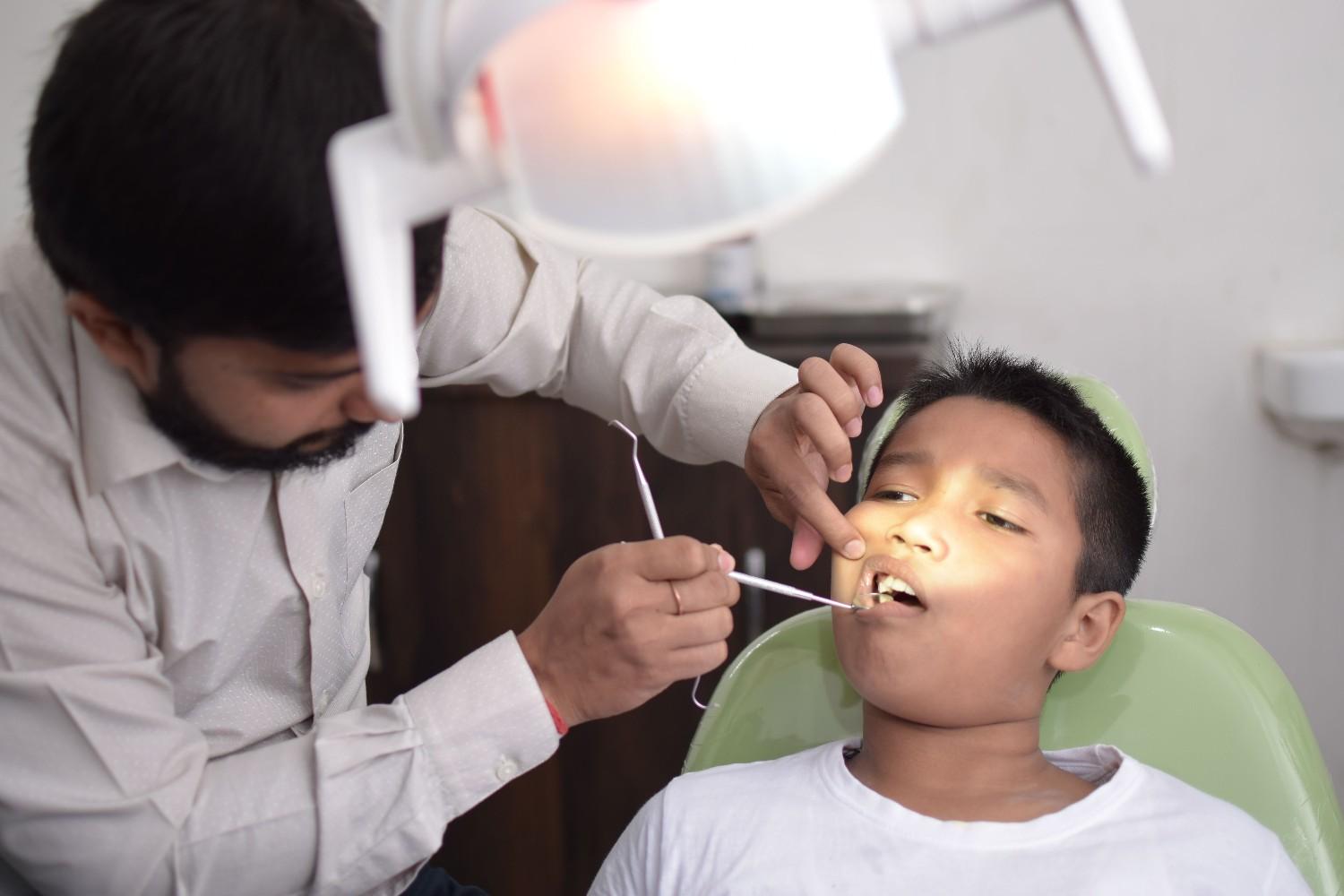
Many people assume a toothache will eventually settle on its own. Unfortunately, severe dental pain usually signals an underlying problem that requires treatment.
Common causes include:
- Tooth decay
- Deep cavities
- Cracked teeth
- Gum infections
- Dental abscesses
- Inflammation affecting the tooth nerve
What to Do First
If you’re experiencing severe tooth pain:
- Rinse gently with warm salt water.
- Carefully brush and floss around the area to remove trapped food particles.
- Avoid foods and drinks that trigger sensitivity.
- Try chewing on the opposite side.
- Arrange an urgent dental examination.
What Not to Do
Avoid these outdated remedies:
- Don’t place aspirin directly against the gums.
- Don’t apply pain gels excessively to irritated tissues.
- Don’t ignore pain that wakes you from sleep.
- Don’t continue eating on the painful side if it worsens discomfort.
Signs Your Toothache Is Urgent
Seek prompt care if:
- The pain is severe or worsening.
- It wakes you at night.
- Painkillers provide little relief.
- Swelling develops.
- You notice pus, bleeding, or a bad taste.
- You develop a fever.
The sooner the cause is identified, the sooner appropriate treatment can begin.
Quick Guide: Urgent or Can It Wait?
During stressful situations, it helps to know whether you should seek same-day care.
Usually Urgent (Same Day or As Soon As Possible)
- Facial swelling
- Severe toothache
- Broken tooth with pain
- Pus or bad taste with swelling
- Fever combined with dental pain
- Difficulty opening your mouth
May Be Able to Wait 24–72 Hours
- Small chips without pain
- Mild, stable sensitivity
- Food trapped between teeth that resolves once removed
- Minor discomfort that improves and does not worsen
If symptoms change or become more severe, treat them as urgent.
What Information to Share When You Call the Clinic
Providing clear details helps the dental team prioritise your appointment and prepare appropriately.
Be ready to explain:
- Where the pain is located (upper or lower, left or right)
- When the symptoms started
- Whether symptoms are worsening
- If there’s swelling, bleeding, pus, or fever
- Whether you’ve recently had dental treatment
- Any medications you’re currently taking
This information can save valuable time during an emergency visit.
Why Early Treatment Matters
Many patients delay dental care because they hope the problem will resolve on its own or because they’re nervous about treatment.
However, addressing problems early often means:
- Less discomfort overall
- Simpler treatment options
- Reduced risk of infection spreading
- Better chances of saving damaged teeth
- Greater peace of mind
Most emergency dental visits begin with an examination and pain management. Once the cause is identified, your dentist will explain the available treatment options and help you decide on the next steps.
For many anxious patients, having a dentist who communicates clearly and compassionately can significantly reduce stress during an emergency appointment.
If You Need an Emergency Dentist in Abu Dhabi
Dental emergencies can feel overwhelming, but knowing what to do first can help you respond confidently.
If you’re experiencing a broken tooth, facial swelling, or severe dental pain, seeking prompt professional advice with a dentist in Abu Dhabi is often the safest option.
Perfect Smile Dental Centre, located on Hamdan Street, regularly assists patients from Abu Dhabi who require urgent dental care.
If you’re unsure whether your symptoms are serious, it’s always worth getting checked sooner rather than later.
Frequently Asked Questions
Can a broken tooth heal on its own?
No. Teeth cannot regenerate lost structure. Even small cracks can worsen over time, so it’s important to have a dentist assess the damage.
Is swelling around a tooth always serious?
Swelling often indicates infection or inflammation. While some cases are mild, increasing swelling should always be evaluated promptly to prevent complications.
What can I do to ease tooth pain before my appointment?
You can rinse gently with warm salt water, avoid trigger foods, keep the area clean, and avoid chewing on the affected side. Follow your healthcare provider’s advice regarding suitable pain relief.
How quickly should I see a dentist for severe dental pain?
If the pain is intense, worsening, associated with swelling, or disrupting your sleep, you should arrange an urgent dental assessment as soon as possible.