
Dental Implant Healing Timeline: What Happens Week-by-Week
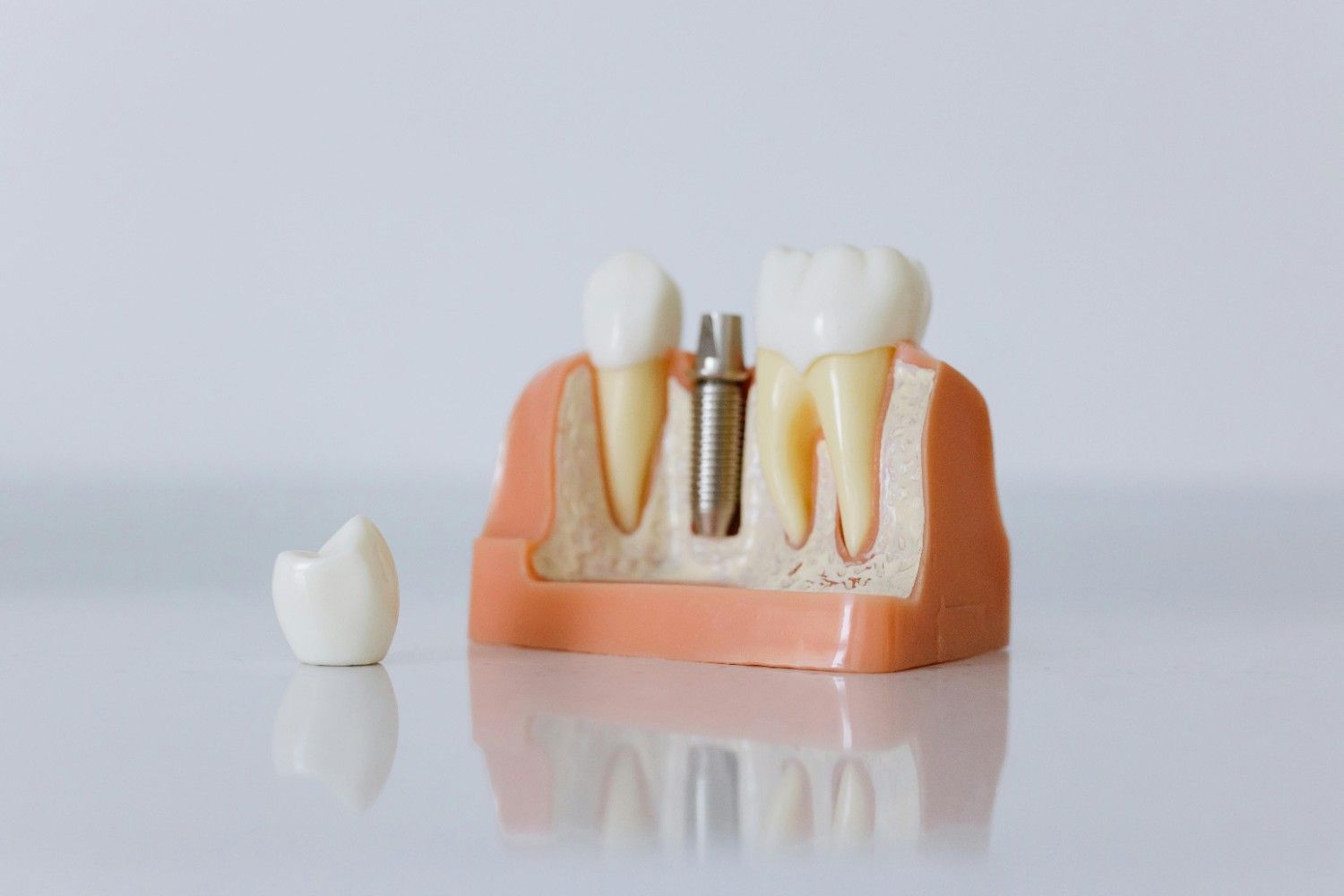
If you’re considering dental implants, one of the most common questions is: “How long does it take to heal?”
The answer depends on several factors, including your oral health, bone density, gum condition, and whether additional procedures, such as bone grafting, are needed. Early healing can happen in just a few days, but full integration of the implant with the jawbone takes months.
Understanding the typical healing process can help you manage expectations, reduce anxiety, and recognise what’s normal versus what needs attention. Below is a practical, week-by-week guide to dental implant recovery, with tips for supporting your healing journey.
Important Note
Every implant plan is individual. This guide is intended for general informational purposes and is not a personalised medical plan. Always follow the instructions provided by your dentist or oral surgeon.
Remember, your experience may differ slightly from the timeline below, but the stages described are what most patients generally notice.
Days 1–3: The “Swelling and Tenderness” Phase
After your dental implant surgery, the first few days are when your body begins its immediate healing response. Swelling, tenderness, and slight bleeding are part of your body’s natural process to start tissue repair.
Common experiences include:
- Mild to moderate swelling around the implant site
- Tenderness when touching the area
- Minor bleeding or oozing
- Feeling cautious while chewing
During this phase, some patients may also notice mild bruising on the surrounding face or jaw area. This is usually temporary and fades within a few days.
Helpful tips for these first days:
- Stick to soft foods like yoghurt, mashed potatoes, soups, or smoothies
- Rest and avoid strenuous activities that could increase blood flow and swelling
- Follow your dentist’s cleaning instructions carefully
- Avoid smoking, alcohol, or anything that might disrupt healing
Warning signs:
Seek professional advice immediately if you notice:
- Swelling that rapidly worsens instead of improving
- Fever or feeling generally unwell
- Persistent heavy bleeding
- Severe pain that doesn’t respond to prescribed care
These could indicate an infection or complication that needs prompt attention.
Days 4–7: Settling Down
By the end of the first week, swelling usually begins to subside, and discomfort becomes more manageable. You may notice a sensation of tightness as tissues start to stabilize around the implant.
What to focus on:
- Gentle, consistent oral hygiene to prevent infection
- Avoiding hard chewing directly on the implant area
- Attending follow-up appointments if scheduled
During this period, small bruises or slight gum redness may still appear, but these usually fade within a few days. It’s also normal to feel minor soreness when brushing nearby teeth, just be gentle and follow your dentist’s guidance.
Extra tip:
Some patients find that using a warm saltwater rinse (if approved by the dentist) helps soothe the gums and reduce irritation.
Week 2: Soft Tissue Healing
By the second week, soft tissue healing becomes noticeable. Your gums may appear calmer, and sensitivity is often reduced. Many people feel they are returning to normal daily activities.
Important reminders:
- Even if you feel fine, deeper healing is still ongoing under the gum and bone
- Avoid testing the implant with hard foods unless advised by your dentist
- Continue using any recommended antimicrobial rinses
Around this stage, you might notice that the area looks slightly different from before surgery. Gums may appear firmer and less inflamed. This is a good sign that healing is progressing normally.
Tip:
Stay consistent with oral hygiene and avoid chewing gum or sticky foods that could irritate the area.
Weeks 3–6: Bone Healing Phase (Quiet Phase)
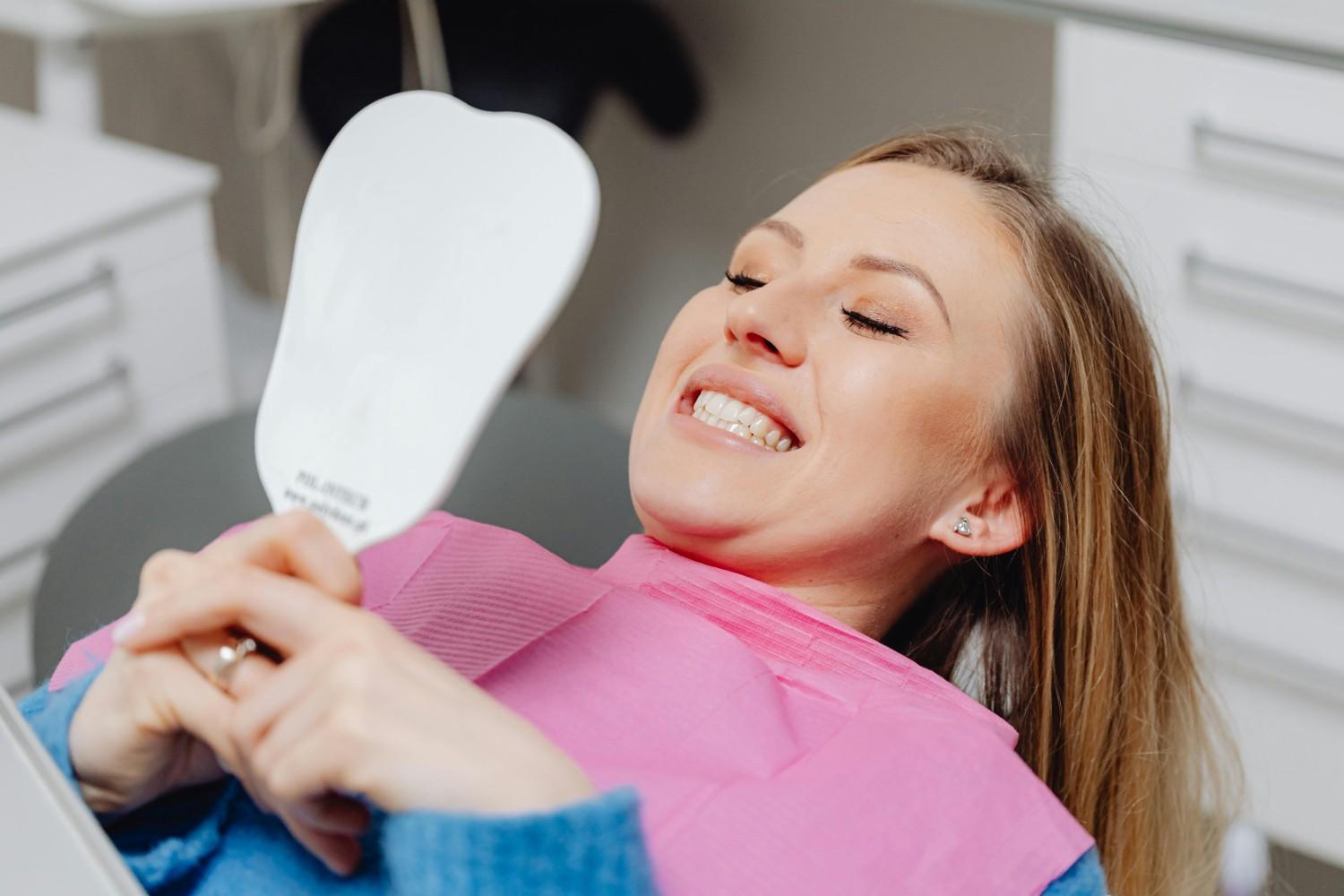
From a Periodontics and Implantology perspective, this quiet healing phase is critical, as the jawbone continues to strengthen around the implant beneath the gum. You may feel like nothing is happening, but beneath the gum, your bone is actively integrating with the implant.
What’s typical:
- Minimal discomfort or sensitivity
- Ability to resume most normal daily routines
- Continued soft tissue healing
Key to success during this phase:
- Maintain excellent oral hygiene to keep gums healthy
- Avoid habits that could disrupt healing, such as smoking, excessive alcohol, or aggressive brushing
- Be patient, as the bone needs time to fully integrate
Although it may feel “boring” because symptoms are mild, this is a critical period. Any disruptions, such as biting hard foods or poor hygiene, could slow healing or compromise the implant.
Months 2–4 (Varies): Osseointegration
This stage is the core healing period when the implant fuses with your jawbone. This process, called osseointegration, is crucial for long-term stability.
What you may experience:
- Little to no pain
- Minimal changes day-to-day
- Routine dental visits to monitor progress
Factors that may extend healing:
- Lower bone density
- Bone grafts or sinus lifts
- Pre-existing gum or oral health issues
Even if you feel completely normal, your dentist will ensure the implant is stable before moving to the next stage. It’s important to remember that full bone integration can take several months, depending on your body’s healing ability and the complexity of the procedure.
Tip:
Avoid grinding or clenching your teeth during this period, a night guard may be recommended if you have bruxism.
Final Stage: Crown Placement and Bite Adjustment
Once your dentist confirms the implant is fully integrated, the final tooth (crown) can be attached. This stage restores function, appearance, and confidence in your smile.
After crown placement:
- You’ll receive instructions for cleaning around the implant
- Regular dental check-ups are essential to protect gum health and prevent infection
- Occasional sensitivity may occur, but usually resolves quickly
It’s normal to feel a slight difference in bite initially. Your dentist will make minor adjustments to ensure your bite feels comfortable and natural.
Tip:
Continue using floss or interdental brushes around the implant. Preventing plaque accumulation is key to long-term success.
What’s Normal vs. Not Normal During Healing
Normal (often):
- Mild swelling in the first few days
- Tenderness improves after the first week
- Minor bruising
- Sensitivity while chewing
Not normal, see your dentist if you notice:
- Worsening swelling after initial improvement
- Persistent bad taste or odour
- Pus or discharge
- Fever
- Severe or escalating pain
- Implant mobility or feeling unstable
Extra insight:
Even minor discomfort lasting beyond the first two weeks should be monitored. Early intervention can prevent more serious complications.
Next Steps: Getting Started in Abu Dhabi
If you’re considering dental implants, the best starting point is to book an assessment at Perfect Smile Dental Centre. A dental professional will confirm suitability, discuss options, and create a timeline tailored to your mouth and bite. Proper planning is the foundation for successful, long-term results.
Tip: Ask your dentist about imaging tests like 3D scans to assess bone quality. These help ensure the implant placement is precise and reduce the risk of complications.
FAQs About Dental Implant Healing
What should I avoid after dental implant surgery?
Avoid smoking, hard chewing on the implant site, and any actions that could disrupt healing. Always follow your dentist’s instructions.
What are the warning signs after a dental implant?
Watch for worsening swelling, fever, pus, persistent bad taste, severe pain, or any feeling of movement. Prompt evaluation is important.
When can I eat normally after an implant?
Most people return to normal eating gradually. Timing depends on your implant type and your dentist’s guidance.
Can dental implants fail?
While rare, implants can fail due to infection, insufficient bone integration, or poor oral hygiene. Following aftercare advice reduces this risk.