
Wisdom Tooth Pain vs Gum Infection: How to Tell the Difference
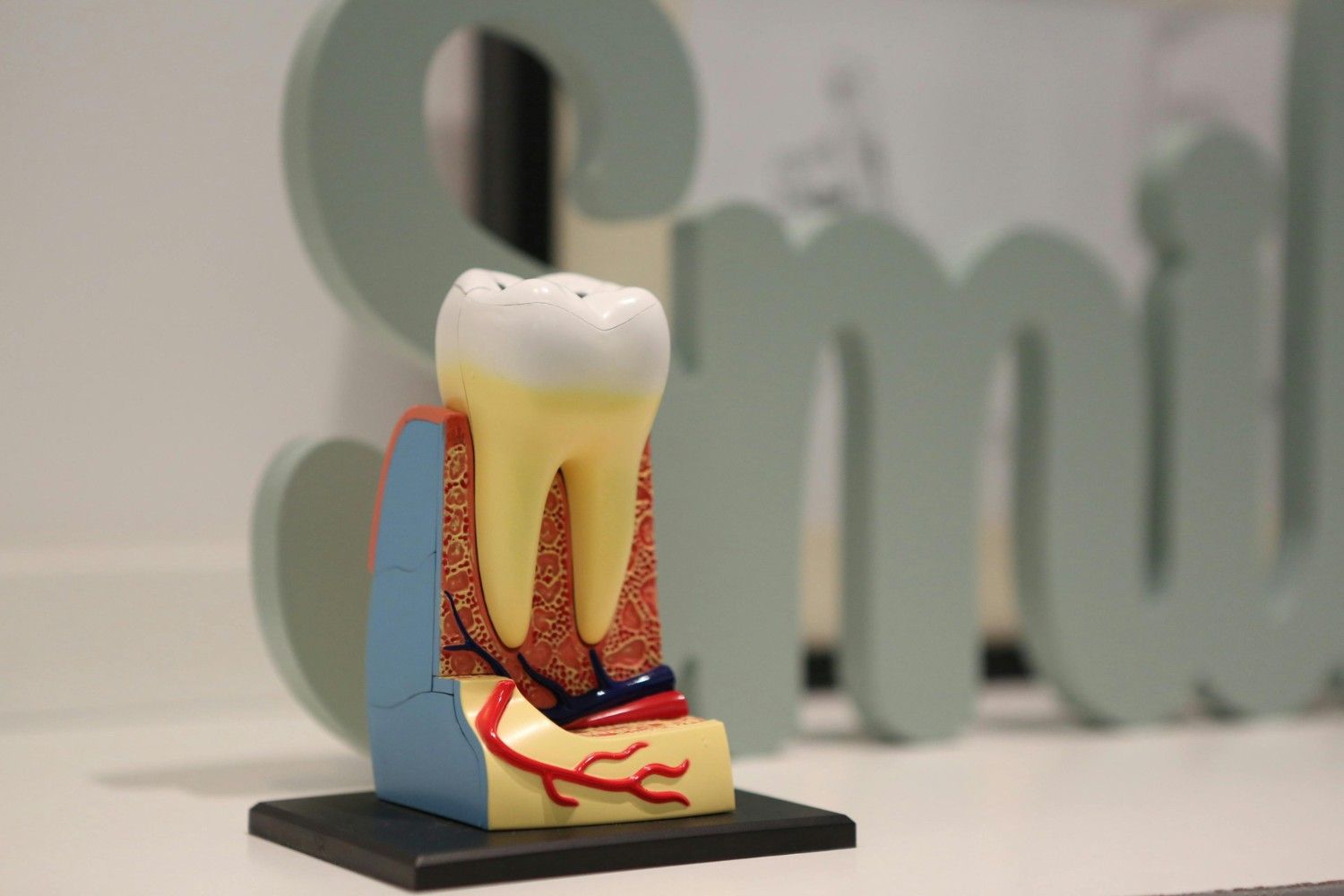
Pain in the back of your mouth can be confusing. One day it feels like a tooth problem, the next day your gum feels swollen and tender. If you’re unsure whether you’re dealing with wisdom tooth pain or a gum infection, you’re not alone. The symptoms can overlap, making it tricky to pinpoint the exact cause.
This guide will help you understand the differences, common triggers, what to watch for, and when to book a professional assessment.
Why the Back of the Mouth Gets Inflamed Easily
The area around wisdom teeth is naturally harder to clean. Food and bacteria can get trapped under a gum flap, especially if a wisdom tooth is partially erupted. Over time, this can lead to inflammation or infection.
Gum infections around molars can also flare up due to:
- Plaque build-up
- Early-stage gum disease
- Irritation from food or brushing
The back of the mouth is harder to see and reach, which means inflammation can develop before you notice any symptoms.
In addition, wisdom teeth often erupt at odd angles, making it easier for bacteria to accumulate. This is why back-of-mouth pain is common among young adults when wisdom teeth start coming in.
Why Early Detection Matters
Even mild swelling or tenderness should not be ignored. Untreated infections can spread to nearby teeth, gums, or even the jawbone. Early detection allows your dentist to treat the issue effectively and avoid complications like persistent pain, abscesses, or more invasive surgery later on.
Regular dental check-ups, X-rays, and oral hygiene monitoring are key to spotting potential problems early.
Common Signs It May Be Wisdom Tooth-Related
Wisdom tooth pain often follows a “back corner” pattern. Typical symptoms include:
- Pain or pressure behind the last molar
- Swelling around the back tooth, sometimes with a gum flap
- Pain that comes and goes, then suddenly flares up
- Discomfort when chewing on that side
- A bad taste or mild odour if food is trapped
- Jaw stiffness, especially in the morning
A common wisdom-tooth-related gum infection is pericoronitis, which occurs when bacteria get trapped under the gum flap of a partially erupted tooth. It can feel very much like a general gum infection, but the underlying cause is the wisdom tooth’s position.
Common Signs It May Be a Gum Infection (Not Wisdom Tooth)

Gum infection or inflammation may be more likely if you notice:
- Bleeding gums when brushing or flossing
- Tenderness along the gumline around several teeth
- Gum swelling that feels “spread out” rather than concentrated in one spot
- Persistent bad breath that doesn’t improve with cleaning
- Gum recession, making teeth appear longer over time
- A history of gum issues or previous deep cleaning
It’s important to note that a gum infection can sometimes appear in a localised area, which is why a dental exam is essential to determine the exact cause. Gum infections that are left untreated can worsen, leading to periodontal disease, bone loss, or tooth mobility.
Quick Self-Check (Not a Diagnosis)
You can do a simple self-check at home to get clues about the cause of your discomfort:
- Is the pain clearly behind the last molar?
- If yes, wisdom tooth involvement is more likely.
- If yes, wisdom tooth involvement is more likely.
- Is there a gum flap or swelling over a back tooth?
- This often points to a partially erupted wisdom tooth trapping bacteria.
- This often points to a partially erupted wisdom tooth trapping bacteria.
- Does it hurt more when you chew at the very back?
- Wisdom tooth irritation often flares with chewing.
- Wisdom tooth irritation often flares with chewing.
- Are your gums bleeding in multiple areas?
- This can indicate broader gum inflammation rather than a single wisdom tooth issue.
When It Could Be More Urgent
You should seek professional assessment immediately if you notice:
- Swelling that worsens over 24 – 48 hours
- Fever or feeling generally unwell
- Pus, strong bad taste, or persistent foul odour
- Difficulty opening your mouth fully
- Pain spreading to the jaw, ear, or throat
- Trouble swallowing or breathing (urgent)
These can be signs that the infection is spreading and requires prompt care. Early treatment reduces the risk of complications such as abscess formation or systemic infection.
What a Dentist Will Check (And Why It Matters)
During an assessment, your dentist will look for:
- Whether the wisdom tooth is impacted or partially erupted
- Whether there’s an infection under the gum flap
- Whether neighbouring teeth are affected
- Whether gum disease is contributing to the problem
- Whether removal or other routine dental treatment is recommended
Symptoms may settle temporarily, especially if the underlying issue is a tricky wisdom tooth position. However, the problem often returns if bacteria continue to get trapped or hygiene is difficult.
A dentist may also recommend imaging, like a panoramic X-ray, to see the exact position of the wisdom teeth and any potential complications.
Does Wisdom Tooth Pain Always Mean Extraction?
Not necessarily. Some cases can be managed with:
- Professional cleaning and hygiene advice
- Monitoring the tooth position over time
- Managing inflammation with medication if needed
However, if infections keep returning or the tooth position makes cleaning difficult, wisdom tooth extraction is often the most effective long-term solution. This prevents recurrent pain and reduces the risk of spreading infection.
Tips for Managing Pain at Home (While Waiting for an Assessment)
While home remedies are not a replacement for professional care, you can reduce discomfort temporarily with:
- Rinsing with warm saltwater several times a day
- Using over-the-counter pain relievers as directed
- Avoiding hard, sticky, or sharp foods in the affected area
- Maintaining gentle brushing and flossing
You can also apply a cold compress externally to reduce swelling. However, these methods only manage symptoms and do not address the underlying cause.
Next Steps For Your Dental Treatment
If you’re experiencing recurring pain or swelling at the back of your mouth, it’s best to get it checked early. Early assessment often makes treatment easier and reduces the risk of infection spreading.A timely dental visit at Perfect Smile Dental Centre can also provide peace of mind and help you avoid prolonged discomfort or more invasive procedures. Book an assessment today!
Frequently Asked Questions (FAQs)
What is pericoronitis?
Pericoronitis is inflammation or infection around a partially erupted wisdom tooth. It occurs when bacteria get trapped under the gum flap.
Can a gum infection go away on its own?
Symptoms may reduce temporarily, but the underlying cause often remains. If swelling, bad taste, or pain persists, it should be assessed by a dentist.
When should I see a dentist for wisdom tooth pain?
If pain lasts more than a day or two, keeps returning, or comes with swelling, bad taste, fever, or jaw stiffness, it’s best to book an assessment.
Can I prevent wisdom tooth pain or gum infections?
Regular brushing and flossing, especially at the back of your mouth, can help. Using an antibacterial mouthwash and attending routine dental check-ups can also reduce risks.