
What Is The 2-2-2 Rule In Dentistry? (And How To Use It For Healthier Teeth)
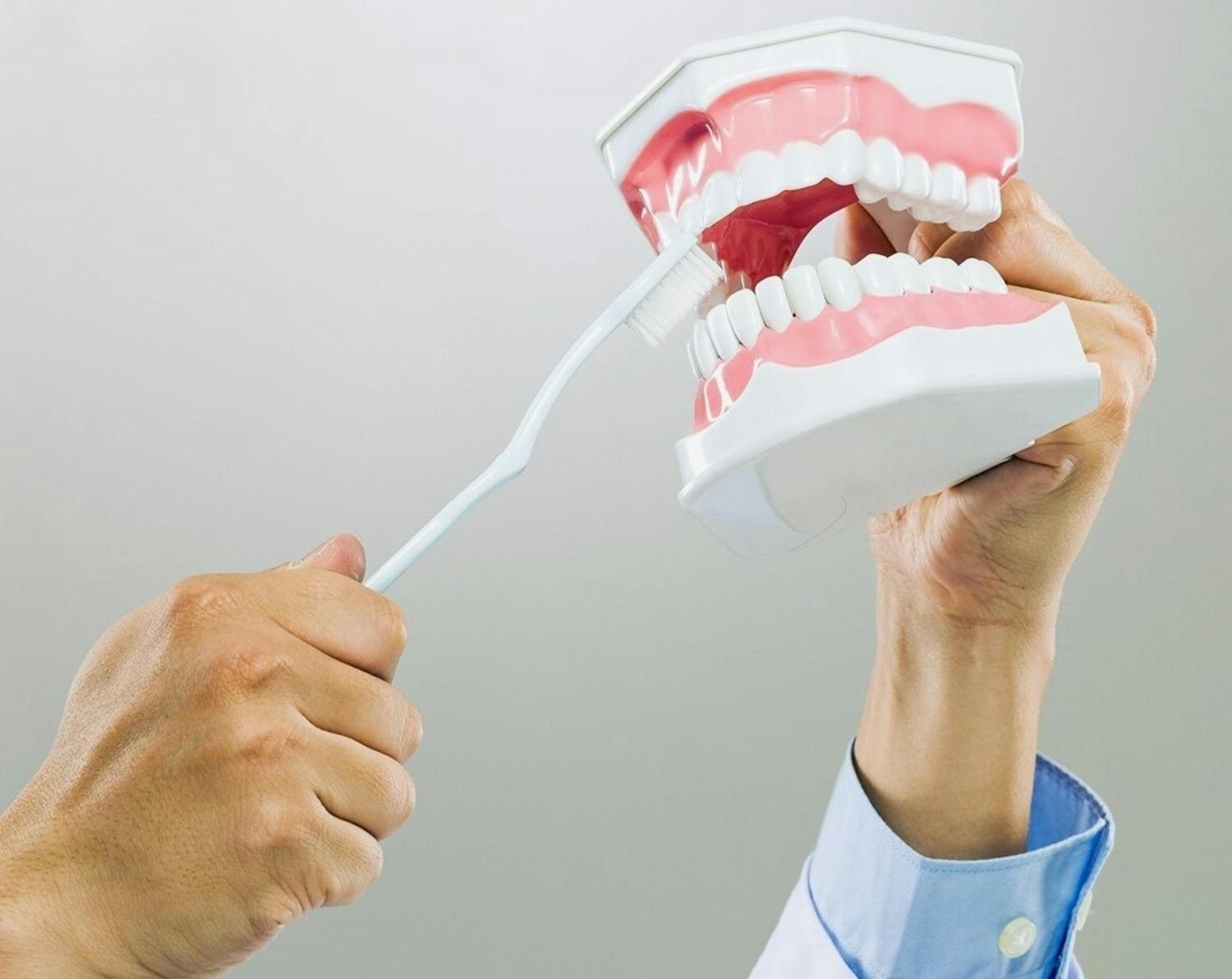
If you’ve heard someone mention the “2-2-2 rule” in dentistry and wondered what it actually means, you’re not alone. It’s a simple memory rule that helps people stick to a consistent oral hygiene routine, without overcomplicating it.
Whether you’re a busy professional, a parent juggling multiple schedules, or just someone looking to improve your dental health, the 2-2-2 rule is a straightforward guideline to follow.
It’s easy to remember, practical, and effective for most people, though there are situations where you may need to adjust it.
What Does The 2-2-2 Rule Mean?
The 2-2-2 rule is commonly explained as:
- Brush 2 times a day
- For 2 minutes each time
- Visit the dentist 2 times a year (every 6 months)
It’s important to remember that this isn’t a strict medical law, it’s a helpful baseline for most people. Think of it as the foundation of good oral hygiene. By sticking to this routine consistently, you’re giving your teeth and gums the care they need to stay healthy.
Why Brushing Twice A Day Matters
Brushing twice a day may seem basic, but it’s more important than many people realize.
- Morning brushing removes plaque that builds up overnight while you sleep. Your mouth is naturally drier at night, so bacteria can accumulate, leading to bad breath or early signs of decay.
- Evening brushing is crucial because it clears the day’s food debris and plaque before you sleep. Without this step, bacteria can work unchecked for hours, increasing the risk of cavities and gum disease.
Quick tip: If you can only be “extra careful” once a day, make it your night brush. Prioritising your evening routine can protect your teeth while you rest.
Why 2 Minutes Is The Sweet Spot
Two minutes might not seem long, but it’s the ideal time to brush properly. Brushing too briefly can leave plaque behind, while brushing too aggressively can damage your gums or enamel. Two minutes ensures all surfaces are cleaned adequately:
- Outer surfaces of your teeth
- Inner surfaces
- Chewing surfaces
- Along the gumline
Practical guide: Split your mouth into 4 sections, such as the upper right, upper left, lower right, and lower left, and spend about 30 seconds on each. Using a timer or a brushing app can make this easier and more fun.
Why 2 Dental Visits A Year Is Recommended

Regular dental visits are the third “2” in the 2-2-2 rule. A check-up every six months is recommended for several reasons:
- Early detection of cavities or gum issues: Many dental problems don’t hurt initially, so catching them early prevents bigger problems later.
- Professional teeth cleaning: Even the most thorough brushing can’t remove hardened plaque (tartar). Dentists can clean areas that are hard to reach at home.
- Monitoring dental work: Fillings, crowns, implants, or braces need regular checks to ensure they’re functioning well and not causing other issues.
A routine check-up is a small time investment that can save you pain, discomfort, and money down the line.
When The 2-2-2 Rule May Not Be Enough
While the 2-2-2 rule works for many people, some situations require adjustments:
- Gum disease or a history of gum problems
- Frequent cavities or tooth decay
- Braces, aligners, or other orthodontic devices
- Implants, crowns, or complex dental work
- Smoking or vaping
- Diabetes or other conditions affecting oral health
- Pregnancy (some women experience increased gum sensitivity)
In these cases, your dentist may recommend more frequent cleanings or check-ups, personalised to your unique oral health needs.
What The 2-2-2 Rule Does Not Include (But You Should Still Do)
To make your oral hygiene routine more complete, consider these additional habits:
- Clean between teeth daily: Flossing or using interdental brushes prevents plaque buildup in hard-to-reach areas.
- Clean your tongue gently: This reduces bacteria that cause bad breath.
- Use fluoride toothpaste: Fluoride strengthens enamel and helps prevent cavities.
- Limit frequent snacking and sugary drinks: Frequency matters as much as quantity when it comes to cavity risk.
- Drink water after coffee or tea: This reduces staining and dryness, keeping your mouth healthy.
Adding these habits makes your 2-2-2 routine more holistic and effective.
A Simple Daily Routine You Can Actually Follow
Here’s how you can structure your day using the 2-2-2 rule:
Morning:
- Brush for 2 minutes using fluoride toothpaste
- Quick rinse and hydrate
Night:
- Clean between teeth (floss or use an interdental brush)
- Brush for 2 minutes
- Avoid eating after brushing if possible
This routine is practical, easy to remember, and covers the essential steps for healthy teeth and gums.
Next Step: Personalise Your Routine
Everyone’s oral health is different, so the 2-2-2 rule might not fit perfectly for you. A visit to a family dental clinic is the best way to personalise your routine to your teeth, gums, and lifestyle.
Book a check-up at Perfect Smile Dental Centre in Abu Dhabi, and we’ll recommend a routine that suits your needs.
Frequently Asked Questions
Should I brush more than twice a day?
Twice daily is a good baseline. If you brush more often, be gentle and avoid aggressive brushing that can irritate gums.
Do I really need a check-up every 6 months?
Many people benefit from 6-month visits, but some need more frequent care, and some may be fine with longer intervals. Your dentist can advise based on risk factors.
Can kids follow the 2-2-2 rule too?
Yes! Children can benefit from brushing twice a day for 2 minutes and having regular dental check-ups. Parents should supervise brushing until kids develop proper technique, usually around age 7–8.
What type of toothbrush should I use?
A soft-bristled toothbrush is recommended to avoid gum damage. Electric toothbrushes can be helpful for more thorough cleaning, but manual brushes work fine if used correctly.
Can I rinse with mouthwash instead of brushing?
Mouthwash is a helpful addition, but cannot replace brushing. It doesn’t remove plaque and food debris as effectively as brushing and flossing.
Does the 2-2-2 rule help with bad breath?
Yes, consistently brushing, cleaning between teeth, and visiting the dentist can reduce bad breath by removing bacteria and food particles that cause odor.