
Kids Dentist in Abu Dhabi: First Visit, What to Expect, and How to Prevent Cavities
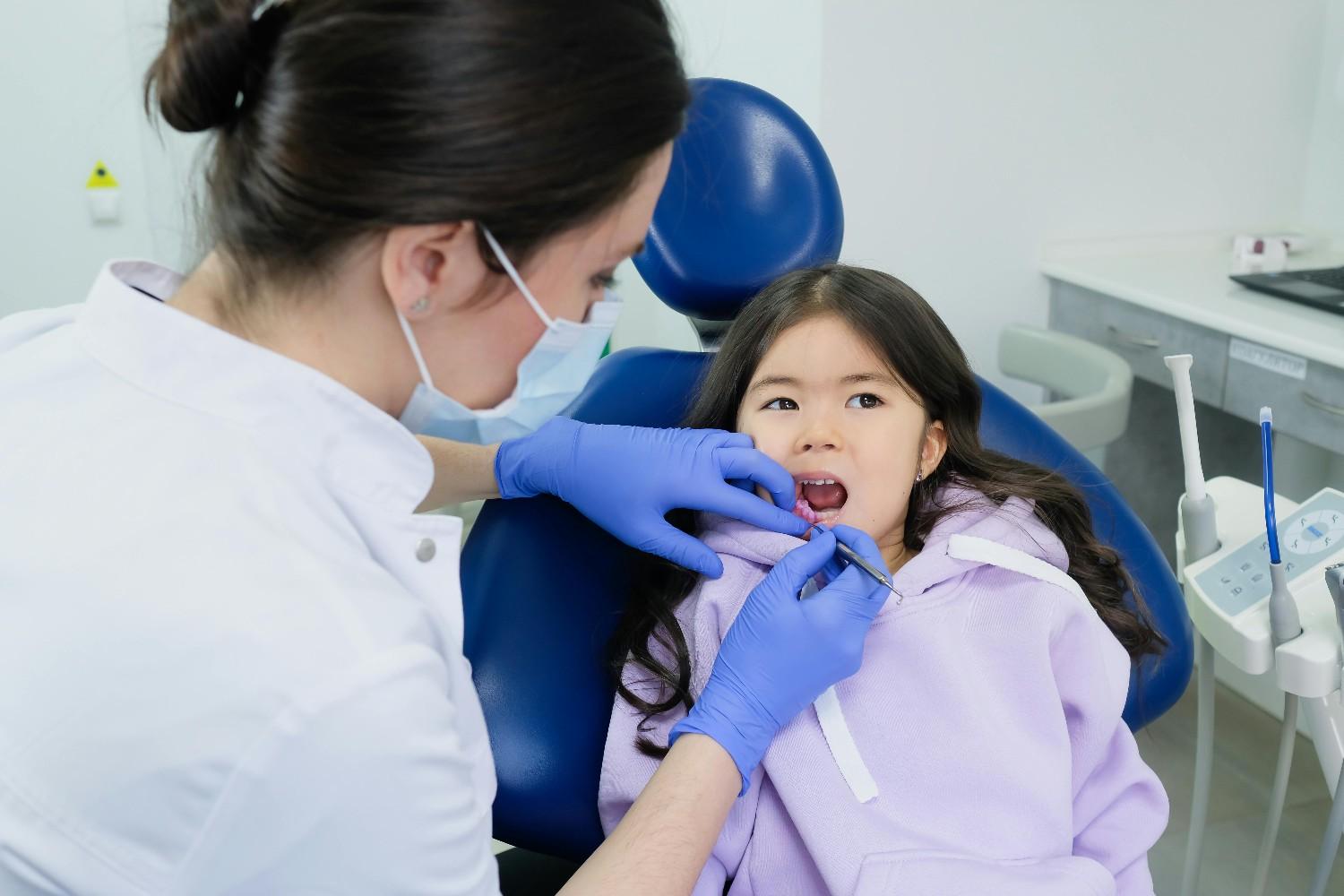
Taking your child to the dentist for the first time can feel like a big milestone (for parents and kids). The good news: a calm, positive first dental visit sets the tone for years, and it’s one of the easiest ways to prevent cavities early.
In this guide, we’ll cover when to book the first appointment, what usually happens during the visit, and simple, practical steps you can start at home to protect your child’s teeth.
When Should a Child Have Their First Dental Visit?
Most dentists recommend a first dental visit by:
- Your child’s first birthday, or
- Within 6 months of the first tooth coming in (whichever comes first)
Even if everything looks fine, early visits help with:
- Checking tooth development
- Spotting early signs of decay
- Preventing future dental anxiety
- Getting parents’ clear guidance on brushing, fluoride, and diet
If your child already has tooth pain, visible spots on teeth, swelling, or trouble eating, don’t wait and book an appointment as soon as possible.
Signs Your Child Should See a Kids Dentist Sooner
Consider an earlier visit if you notice:
- White or brown spots on teeth (early decay can start as white marks)
- Bad breath that doesn’t improve with brushing
- Bleeding gums or gum swelling
- Tooth sensitivity to cold foods/drinks
- Complaints of pain while chewing
- A tooth that looks chipped, cracked, or darker than the others
- Thumb-sucking or mouth breathing that continues past the early toddler years
What Happens at a Child’s First Dental Appointment?
A first visit is usually gentle and short. The goal is comfort, trust, and prevention.
1) A friendly introduction (and “show and tell”)
A family dental clinic will often:
- Let your child see the chair move up and down
- Show the mirror, suction, and air/water tools in a non-scary way
- Explain the steps in simple language
This helps reduce fear and builds confidence.
2) A basic oral exam
The dentist checks:
- Teeth and gums
- Bite and jaw development
- Signs of early cavities
- Tongue ties (if relevant)
- Habits that affect teeth (thumb-sucking, pacifier use)
3) Gentle cleaning (if your child is comfortable)
If your child cooperates, the dentist may do a light teeth cleaning to remove plaque and show the brushing technique.
4) Fluoride advice (and possible fluoride application)
Fluoride helps strengthen enamel and reduce cavity risk. Depending on age and cavity risk, the dentist may recommend:
- Fluoride toothpaste guidance (how much to use)
- In-clinic fluoride treatment (quick, painless)
5) Parent guidance: brushing, diet, and routine
You’ll usually leave with a clear plan for:
- How to brush your child’s teeth properly
- How often to visit (commonly every 6 months, but varies by risk)
- What foods/drinks increase cavity risk
- Whether sealants or fluoride treatments are recommended
How to Prepare Your Child for the First Visit (without stress)

A few small changes make a big difference:
Do:
- Book a morning appointment (kids are often more cooperative earlier)
- Keep the explanation simple: “The dentist will count your teeth and help keep them strong.”
- Bring a comfort item (small toy or blanket)
- Let your child practise opening their mouth at home (like a game)
Avoid:
- Using scary words like “needle”, “drill”, “pain”, “hurt”
- Promising “nothing will happen” (better: “The dentist will be gentle and explain everything.”)
- Scheduling during nap time
How to Prevent Cavities in Kids (practical, parent-friendly steps)
Cavities are common in children, but they’re also preventable. Here’s what actually works.
1) Brush twice daily with the right amount of fluoride toothpaste
General guidance (your dentist may tailor this):
● Under 3 years: a smear/rice-grain amount
● 3–6 years: a pea-sized amount
● 6+ years: standard pea-sized amount, encourage spitting (not swallowing)
Parent tip: Children usually need adult help with brushing until they have the dexterity to do it well (often around 7–8 years old).
2) Focus on technique, not just time
Key habits:
● Brush along the gumline gently
● Spend extra time on back molars (where cavities often start)
● Brush for about 2 minutes
● Brush before bedtime (most important)
3) Floss when teeth touch
If your child’s teeth are close together, flossing helps prevent cavities between teeth, a common “hidden” area.
4) Watch the “frequency” of sugar, not only the amount
It’s not just sweets, frequent snacking and sugary drinks keep acid levels high.
Try to reduce:
- Juice (even “fresh” juice)
- Sweetened milk drinks
- Sticky snacks (gummies, toffees)
- Frequent biscuits/crackers between meals
Better options:
- Water is the main drink
- Cheese, yoghurt (unsweetened), eggs
- Nuts (age-appropriate), fruits with meals
- Crunchy vegetables (if safe for age)
5) Consider dental sealants for back teeth
Sealants are a protective coating placed on the grooves of molars. They can significantly reduce cavity risk in children who are prone to decay or have deep grooves.
Sealants are:
- Quick and painless
- Especially useful when adult molars first come in
6) Keep regular check-ups (prevention beats treatment)
Routine visits help catch early decay before it becomes painful or requires more complex treatment.
Common Kids’ Dental Problems (and when to worry)
Here’s what parents often ask about:
- Early cavities: can start as white spots because early treatment is easier
- Tooth grinding: common; mention it at the visit
- Thumb-sucking: can affect the bite if it continues. A dentist can advise age-appropriate steps
- Crowded teeth: early monitoring helps plan orthodontic timing later
- Dental injuries: if a tooth is chipped or knocked, seek care quickly
When Should Kids Start Orthodontic Checks?
Even if braces are years away, an early orthodontic screening can be helpful. Many clinics recommend an initial check around age 7, especially if you notice:
- Crowding
- Crossbite
- Early/late loss of baby teeth
- Mouth breathing
- Jaw shifting
Quick Checklist: What to Bring to the Appointment
- Emirates ID (if needed for registration)
- Any medical history/allergies list
- Your child’s favourite comfort item
- A list of questions (diet, fluoride, brushing, habits)
Book a Kids Dentist Appointment in Abu Dhabi
If you’re looking for a kids dentist in Abu Dhabi, the best time to start is before there’s a problem. A gentle first visit at Perfect Smile Dental Centre helps your child feel safe, builds healthy habits early, and reduces the risk of cavities long-term.
If you’d like, we can guide you on the right brushing routine for your child’s age and assess cavity risk during the visit.
Contact us to book your child’s first dental visit today, and let’s keep their smile healthy from the start.
Frequently Asked Questions
How often should kids go to the dentist?
Many children benefit from visits every 6 months, but the dentist may recommend a different schedule based on cavity risk.
Are fluoride treatments safe for children?
When used appropriately, fluoride is considered safe and helps strengthen enamel to reduce cavities. Your dentist will recommend what’s suitable for your child’s age and risk level.
Do kids really need to floss?
If teeth touch each other, flossing helps prevent cavities between teeth, which is an area brushing often misses.
What causes cavities in children?
Common causes include frequent sugary snacks/drinks, poor brushing technique, not using fluoride properly, and plaque build-up on back teeth.